


Transportation Options from Chiang Mai to Pai
Traveling from Chiang Mai to Pai is a journey renowned for its dramatic mountain scenery and winding roads. While completing the route on a 125cc scooter can be challenging, it remains one of the most memorable road trips in Northern Thailand. The famous Highway 1095, with its 762 curves, offers a unique driving experience that rewards travelers with breathtaking views and a true sense of adventure.
For those planning their own trip to Pai, choosing the right mode of transportation is essential. Factors such as comfort, safety, travel time, and budget all play an important role in deciding how best to reach this charming valley town.
Below, we outline practical tips and essential information to help you plan your journey from Chiang Mai to Pai, including the available transportation options and their associated costs.
4 Different Ways to Travel from Chiang Mai to Pai:
Chiang Mai to Pai On a Bus:
Minibus:
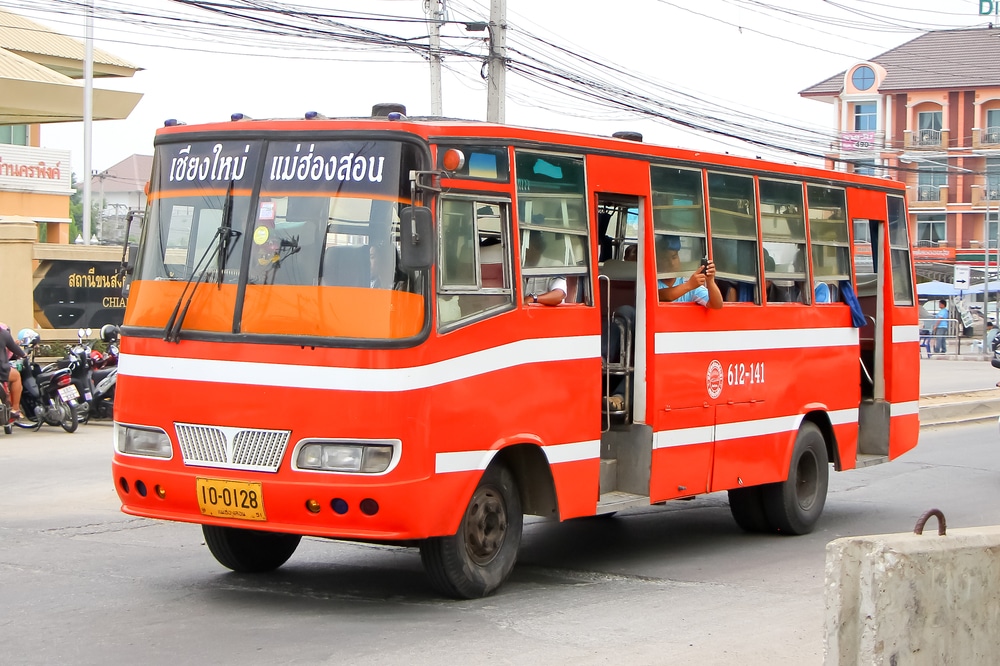
You can take either a minibus or a standard bus to Pai. The minibus will run only about 150-200 THB each way and will only take 3+ hours but it’s the one where you’ll probably feel the most motion sickness as they drive fast even on the turns.
Air-conditioned Bus:
These buses take a little longer to navigate through the bends but you’ll save a little money compared to the minibus (100-150 THB). If you’re prone to motion sickness and not up for making the drive yourself, this is a slightly better option to the minibus.
While renting a scooter is not strictly necessary within Pai itself, many of the region’s most scenic attractions are located outside the town center. Travelers arriving in Pai by bus and not planning to join organized tours will likely find that renting a scooter locally is the most convenient way to explore the surrounding area.
Scooter rental prices in Pai are generally affordable, with the lowest rates starting at approximately 200 THB per day, excluding fuel. For travelers planning to stay a full week, the estimated total cost is 1,200 THB or more.
This option offers flexibility and independence, but riders should always consider safety, insurance coverage, and road conditions before making a decision.
Chiang Mai to Pai On Your Own:
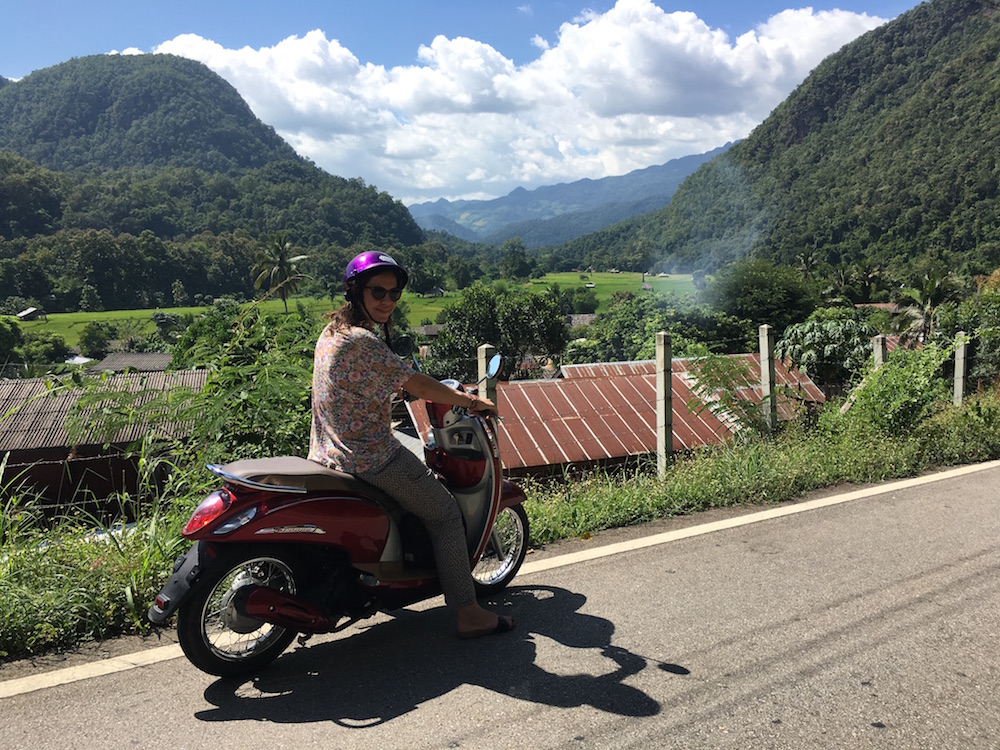
Renting a scooter or car offers you the ability to take an amazing drive through the mountains. It will be certainly one of your most memorable road trips.
Scooter:
Renting a 125cc scooter with BudgetCatcher in Chiang Mai is a good option, rental price starts from just 99 THB per day. A full tank cost around 120-150 THB and you spent less than 200 THB in gas to get there. If you stay for a month, you need to pay about 3000 THB in rental fees, and about 500 THB in gas total. Ask for best weekly or monthly deals at BudgetCatcher main office at Prim Park, 72 Thipanet Rd, Chiang Mai City, near Saturday Night Market.
⚠️ Notice: Don’t forget to get your local or international driver’s license before renting a scooter or car to avoid tickets or fines.
Car:
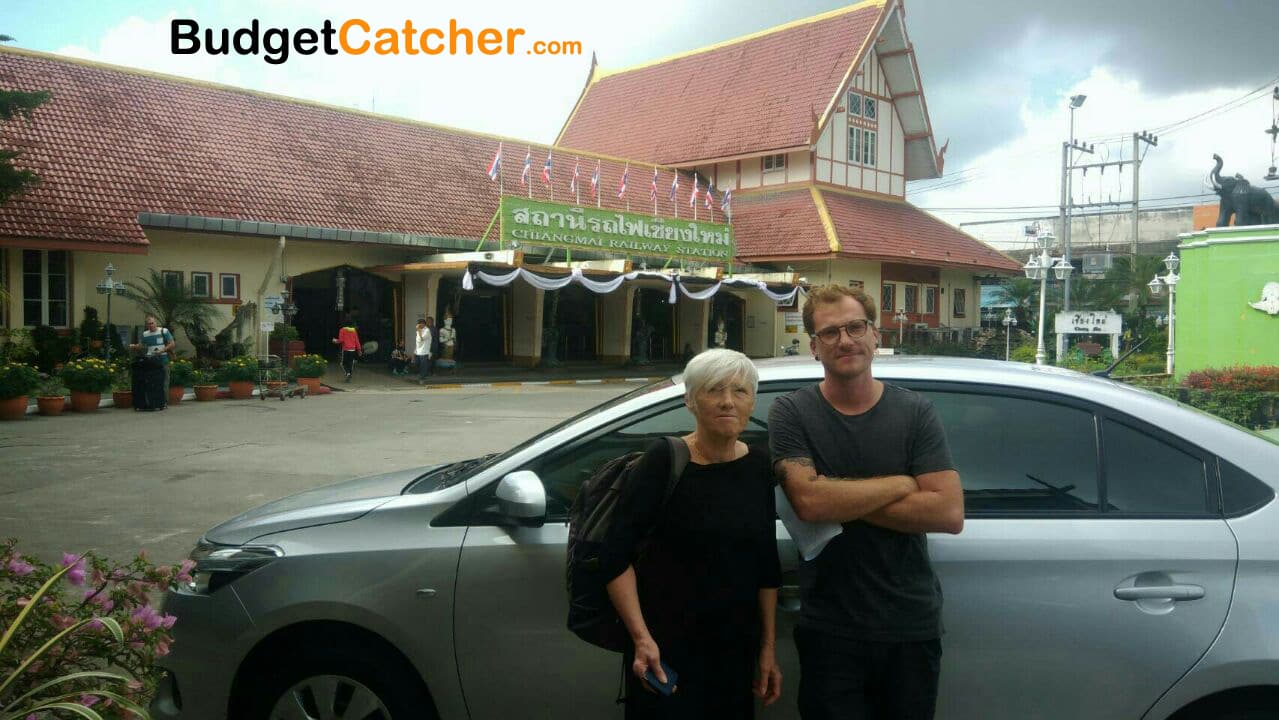
A car rental from BudgetCatcher for one week will cost about 4900 THB plus gas. BudgetCatcher is one of the Internet leaders in providing great car hire prices in Chiang Mai. All their vehicles and customers are covered by First Class Fully Comprehensive Insurance, and in the unlikely event of a breakdown while you are driving around Thailand all their hire cars are covered by the 24/7 Roadside Assistance, giving you peace of mind. You’ll find plenty of independent reviews on their website or Facebook in Chiang Mai. To rent a car is the safest way to travel to Pai!
If you decide to travel to Pai independently – whether by car or scooter – there are several practical tips that can help ensure a smoother and more comfortable journey. While many of these recommendations are particularly relevant for scooter or motorcycle riders, they are equally important to consider when planning to rent and drive a car.
Fuel Planning
Depending on the size of your fuel tank, you may need to refuel more than once during the journey. As there are extended stretches of road with limited or no formal fuel stations, it is advisable to monitor your fuel gauge carefully and begin looking for refueling options once the tank reaches approximately half capacity. This is particularly important when driving a rental vehicle, as fuel gauges may not always be fully accurate.
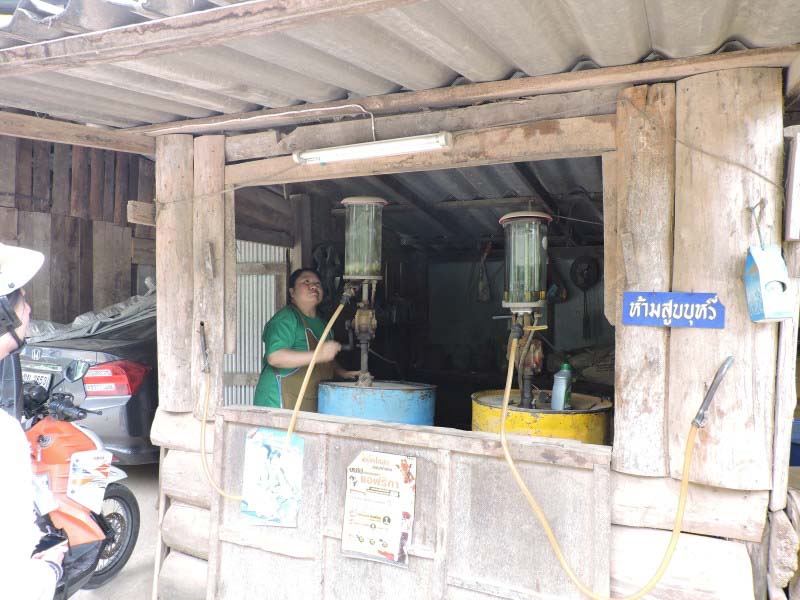
In addition to standard fuel stations, roadside fuel vendors and bottled fuel are commonly available in small villages along the route. If you find yourself running low unexpectedly, do not hesitate to stop in a local area and ask for fuel or petrol. Local residents are generally able to assist, although fuel purchased in this way may be priced at a premium.
Vehicle Choice and Road Conditions
We have previously completed the journey on a 125cc scooter and, while the trip was ultimately successful, there were moments when the choice felt less than ideal. Smaller scooters typically have limited fuel capacity, reduced power, and less stability – factors that can make steep inclines and uneven road surfaces more challenging. If your budget allows, opting for a larger motorcycle or a car is strongly recommended, as it will provide better performance on mountain roads and greater comfort when navigating potholes and rough sections of the route.
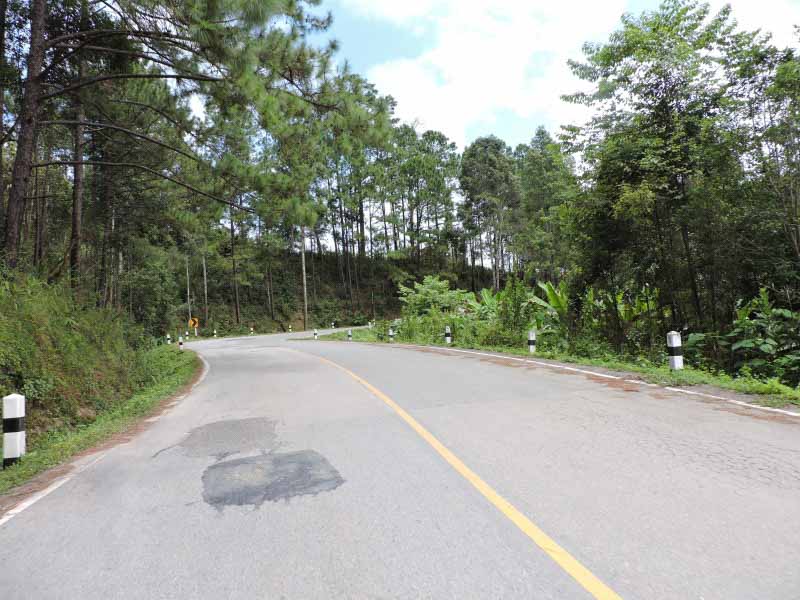
Road conditions between Chiang Mai and Pai require constant attention. Potholes are frequent and often unavoidable, making the drive physically demanding and potentially hazardous. Drivers must remain alert for oncoming traffic, sharp curves, steep gradients, and occasional oil or fuel residue from trucks. Among these hazards, potholes pose the greatest risk – particularly for vehicles with narrow tires – highlighting the importance of choosing a stable and well-suited vehicle for the journey.
Hydration and Pace
Driving through the mountains, particularly during midday, can be physically demanding due to heat and prolonged sun exposure. Unless you depart early in the morning or encounter rain, you should expect warm conditions and limited shade along the route. Carrying an adequate supply of drinking water is essential. Even for early departures, it is strongly recommended to bring extra water, as road conditions, weather, or unexpected delays can extend travel time.
In addition to water, purchasing light snacks in advance is a sensible precaution – especially if you plan to make additional stops along the way, such as visiting the hot springs or geyser areas.
Equally important is allowing sufficient time for the journey. There is no need to rush. Drive at a comfortable pace, refuel whenever the opportunity arises, and take breaks as needed. Not only does this improve safety and comfort on a long and winding route, but it also allows you to enjoy the scenic viewpoints and landscapes that make the drive to Pai so memorable.

Experience Level and Route Conditions
Before setting out, it is important to honestly assess your driving experience. This includes not only your comfort level with riding a scooter or motorcycle, but also your familiarity with driving in Thailand, which can differ significantly from driving conditions in other countries. Traffic patterns, road behavior, and local driving habits may take time to adjust to. For travelers who feel uncertain or uncomfortable on a scooter, renting a car is the safest and most convenient option for traveling to Pai.
The route itself is relatively straightforward in terms of navigation. Once you join Highway 1095, there are no major turns or alternative routes before reaching Pai. However, the challenge lies in the road conditions rather than direction. The journey includes frequent potholes, fast-moving traffic, narrow lanes, and continuous sharp curves. In addition, weather conditions can change rapidly as the road climbs into the mountains and descends into the valley.
Due to these factors, the route requires constant attention and cautious driving at all times. Maintaining a safe speed, staying alert, and adapting to changing road and weather conditions are essential for a safe and enjoyable journey.
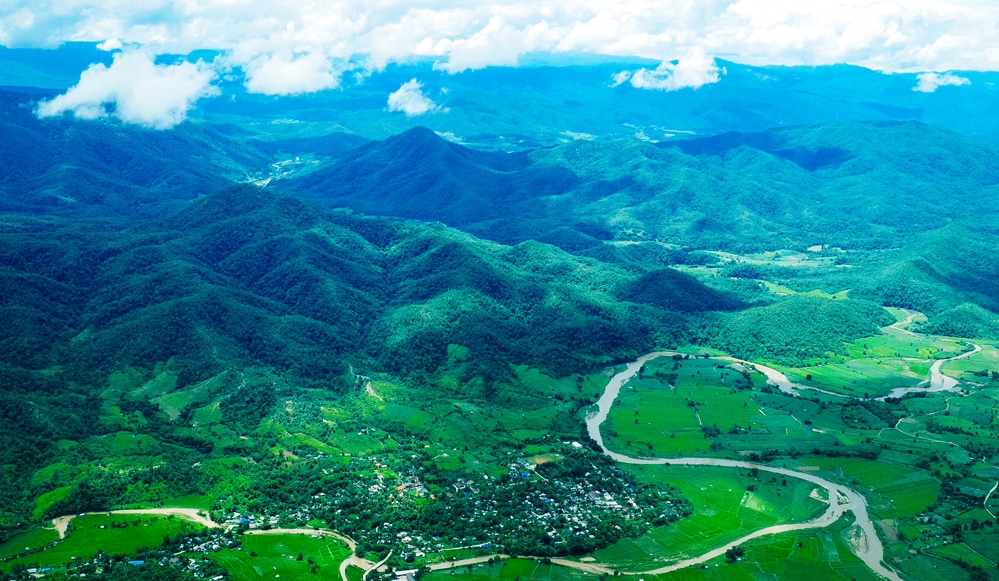
Chiang Mai to Pai On A Plane:
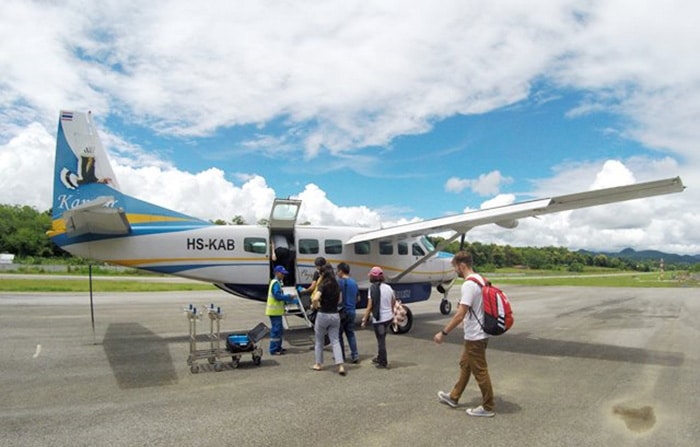
Taking a plane straight to Pai is also an option. The airport is located Northwest of the central part of town and flights can be taken direct from Chiang Mai. The flight is only about a half hour and while prices vary depending on airline and time of year, we found a cheap flight through Kan Airlines for around 2500 THB at the start of their high season. Other airlines to look at within Thailand are AirAsia, Thai Smile Airways, Nok Air and Tiger Air.